
CNC Milling
CNC milling uses rotating multi-tooth cutters to shape flat surfaces, pockets, slots and contours in metal or plastic.

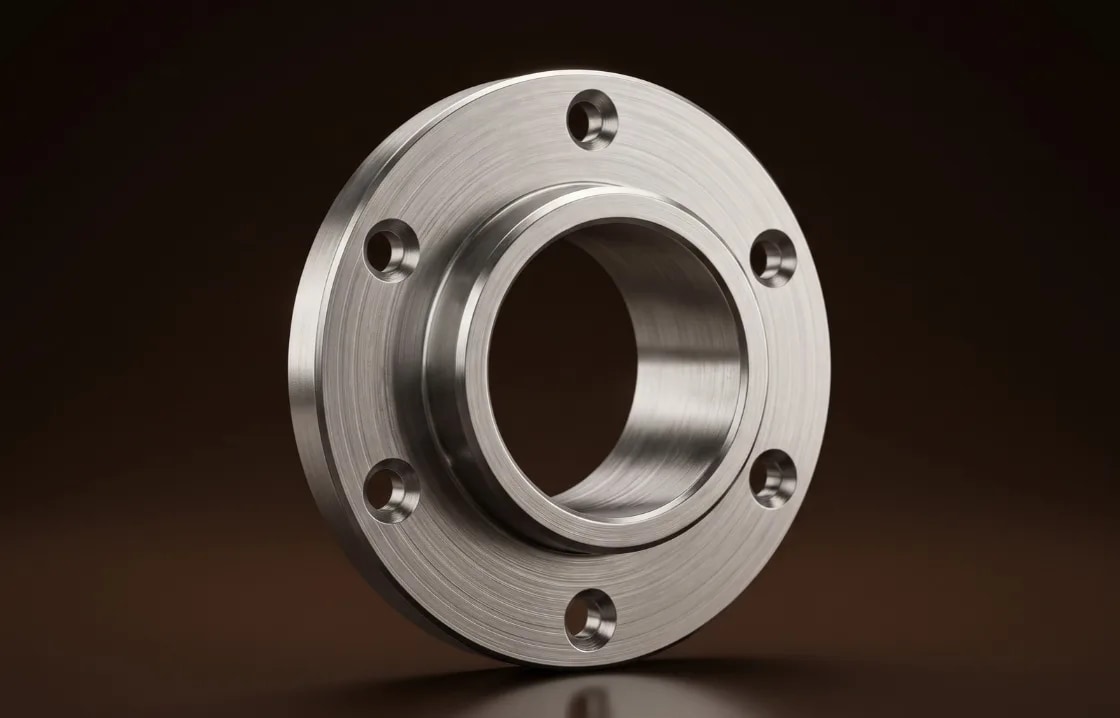
Part of CNC Machining
CNC turning rotates a workpiece against a fixed cutting tool to produce cylindrical parts such as shafts, bushes, flanges and threaded fittings with tight concentricity.
CNC lathes with driven tools turn, drill, tap and mill in one clamping, so diameters, faces and cross-holes stay concentric. Bar-fed machines make repeat series efficient, while chucking work covers larger and heavier blanks.
Typical output ranges from stainless fittings and aluminium bushes to hardened steel shafts that are later ground to final size.
 Driven tools: milling and cross-drilling in one set-upBar-fed series productionThreads, grooves and tapersHardened shafts prepared for grinding
In turning the workpiece rotates and the tool is fixed; in milling the tool rotates and the workpiece is fixed. Turning is the natural choice for round parts, milling for prismatic ones.
CNC milling uses rotating multi-tooth cutters to shape flat surfaces, pockets, slots and contours in metal or plastic.
CNC drilling produces accurately positioned round holes, from small cross-holes to deep-hole bores, with controlled depth…
5-axis machining moves the cutting tool along five axes at once, so complex shapes, undercuts and features on several faces are…
Swiss machining feeds bar stock through a guide bush so the cut is made right at the support point.